


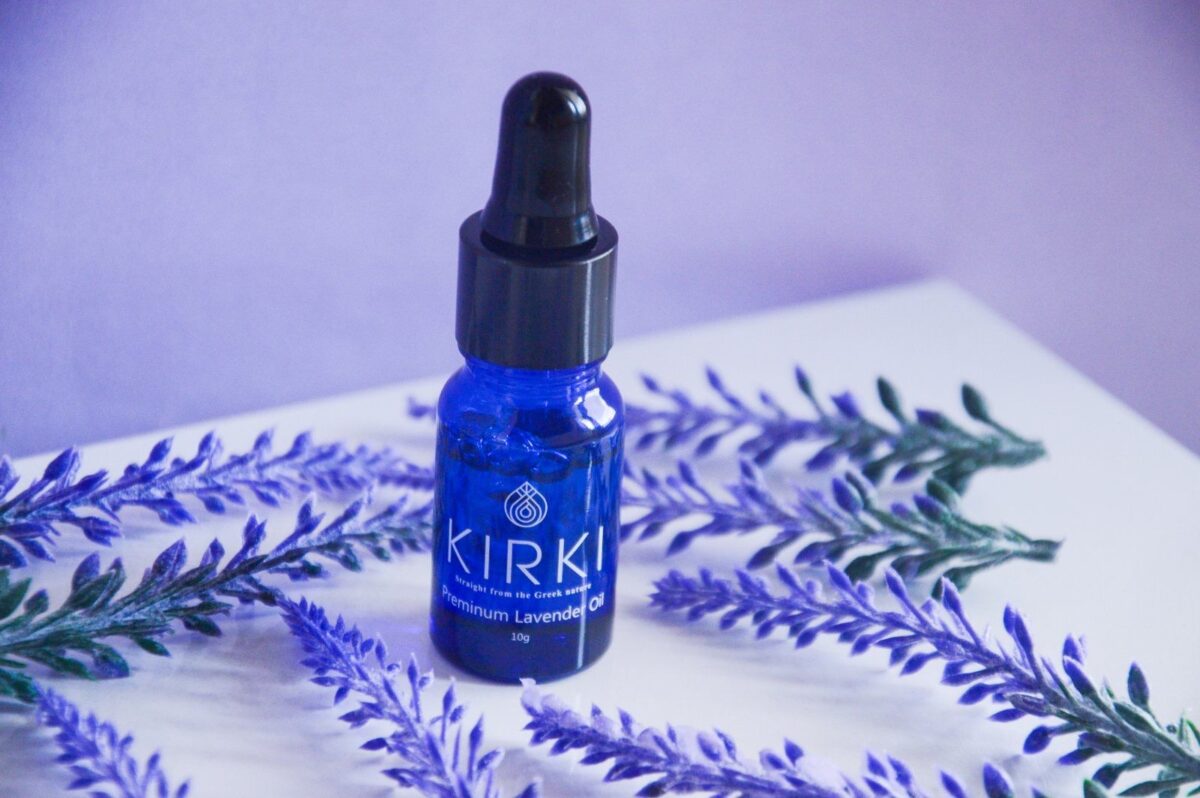
Kirki’s Lavender Oil Uses .
UsesAdd a few drops to pillows, bedding, or the bottoms of the feet before bedtime.Keep a bottle nearby to calm skin discomfort.Mix with water in
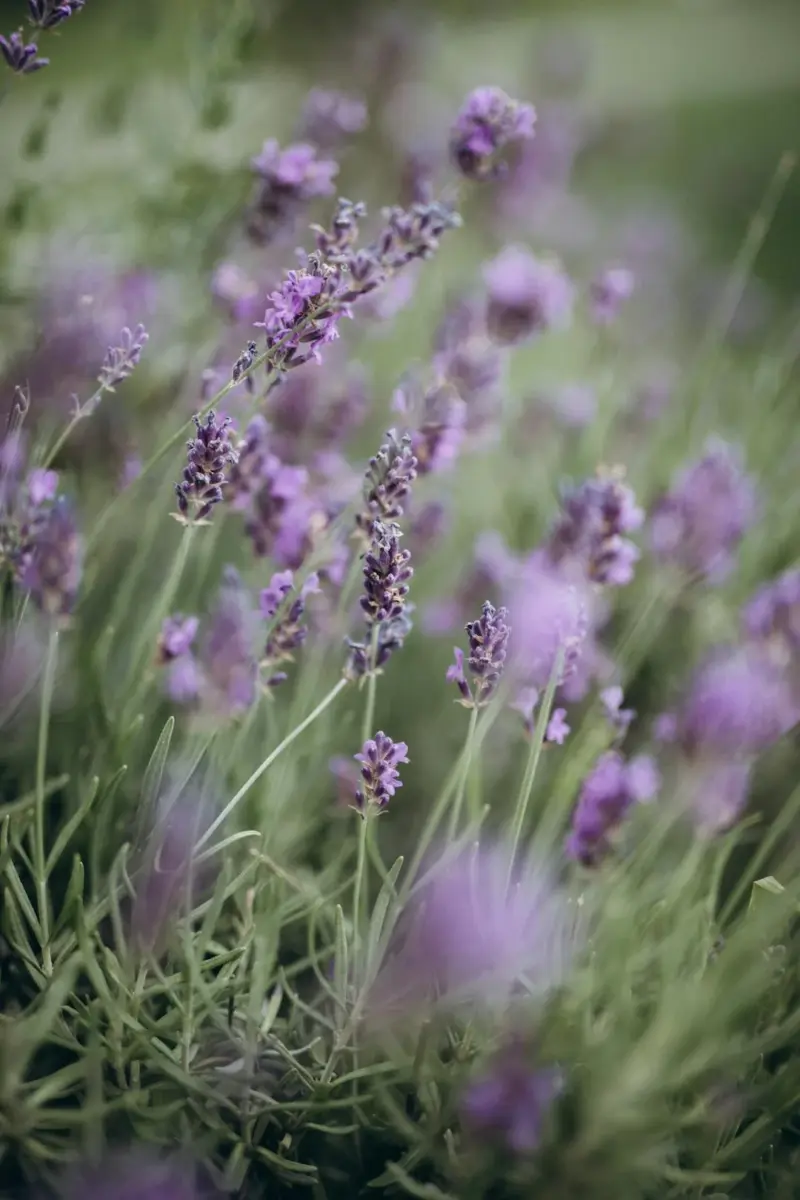
What is Lavender?
Lavender is a beautiful green plant with aromatic purple flowers. It grows in the mountainous regions of the Mediterranean, in sunny, rocky soils. Today, it thrives throughout Southern Europe, Australia and the United States. Lavender oil is derived from its blue-purple flowers, which give it its distinctive fragrance. The flowers are arranged in clusters of 6–10 blooms above the foliage.
Its name comes from the Latin word “lavare”, meaning “to wash”. It is believed to have first been used as a bath additive to cleanse the body and mind in ancient Persia, Greece and Rome.
Historically, lavender has been used as an antiseptic and as a traditional remedy for anxiety, restlessness, insomnia, depression, headaches, digestive discomfort and hair care. It is also a key ingredient in aromatherapy, where its fragrance is used for both relaxation and well-being.
Lavender has three main traditional uses: as an antiseptic, a topical soothing agent and a calming aid.
Antiseptic . It can be used on its own or in combination with other oils, lotions or creams. Lavender is traditionally used on the skin for minor abrasions, cuts, burns and inflammatory skin conditions, helping support the healing process. It is also one of the few essential oils commonly used in topical applications when appropriately diluted.
Topical anaesthetic . As a topical anaesthetic and pain reliever, lavender oil may help reduce the sensation of pain caused by minor burns and insect bites.
Calming effect. It promotes a sense of calm and relaxation and may help with restlessness and difficulty sleeping.
Beyond these general uses, lavender essential oil also has many practical applications.
1.First Aid. Traditionally used on minor burns to help soothe discomfort and reduce the risk of blistering. It may also be used on minor scratches.
2. Stress and Anxiety. Helps promote relaxation and a sense of calm.
3. Sleep. Apply diluted lavender oil to the soles of your feet before bedtime as part of a relaxing nighttime routine.
4. Menstrual Cramps. Gently massage diluted lavender oil onto the lower abdomen to help promote comfort and relaxation.
5. Headaches. Gently massage diluted lavender oil onto the temples and forehead. You may also combine it with peppermint oil for a refreshing aromatic experience.
6. Minor Cuts. Lavender oil is traditionally used as part of basic care for minor cuts and skin discomfort.
7. Chest Congestion. Add 4–6 drops of lavender essential oil to a bowl of hot water and inhale the steam slowly and carefully.
8.Muscle Aches and Sprains. Dilute lavender oil in a carrier oil, such as coconut oil or another vegetable oil, and gently massage the affected area.
9. Nighttime Leg Cramps.Before going to bed, gently massage diluted lavender oil onto your leg and big toe.
10. Insect Bites. A small amount of diluted lavender oil may help soothe itching and discomfort caused by insect bites.
11. Insect Repellent. Apply diluted lavender oil to your hands and feet as a natural aromatic repellent.
12. Splinters. Apply a small amount of diluted lavender oil around the affected area to help soothe the skin before removing the splinter.
13. Fatigue. Add a few drops of lavender essential oil to your bath water for a relaxing and refreshing experience.
14.Fever. Place a few drops of lavender essential oil on a cool cloth and gently apply it to the forehead, neck and body for a refreshing sensation. Alternatively, you can also use lavender in a steam diffuser to help create a warming sensation when the body feels cold.
15. Exfoliating Hand Scrub. Combine sugar, olive oil and lavender to create a gentle exfoliating scrub for rough skin.
16.Ingredient in Cleaning Products. Add lavender to mild soap, homemade cleaning sprays, laundry soap and other household cleaning products.
17. Calming for Children. Add a small amount of lavender oil to a diffuser in a child’s room to create a relaxing atmosphere before bedtime. You can also apply properly diluted lavender oil to the soles of the feet as part of a calming routine.
18. Acne. To help soothe redness and irritation associated with acne, add 5 drops of lavender essential oil to 1 teaspoon of warm water and mix well. Soak a cotton pad in the mixture and gently apply it to the affected area.
19. Sunburn. For a soothing after-sun blend, mix 2 drops of lavender essential oil with 1/2 cup of carrot oil, 1 tablespoon of apple cider vinegar and 1 tablespoon of rose water. Apply gently after cleansing.
20. Foot Bath. It can be a powerful remedy for headaches. The warm water draws blood toward your feet, helping to reduce pressure in the blood vessels in your head. Add a few drops of lavender essential oil to a foot bath to provide soothing relief from a headache.

21. Itchy Scalp. Mix lavender oil with water and massage it into the scalp. You can also add a few drops to your favourite conditioner after washing your hair.
22. Moths. To repel moths from wardrobes or cupboards, make a small sachet filled with cotton balls scented with lavender essential oil. Alternatively, create a small bundle of dried lavender leaves and flowers to help keep moths away.
23. Solvent. It can be used as a natural solvent to help quickly remove grease, adhesives and paint from various surfaces.

24. Air Freshener. Add 5 to 6 drops of lavender oil to a small jar. Add a little baking soda, then make a few holes in the lid. Place it in the desired area and shake the jar regularly.
25. Scented Candles. Add lavender essential oil to your homemade candles to create a pleasant, relaxing fragrance.
Source
wakeup-world.com/
UsesAdd a few drops to pillows, bedding, or the bottoms of the feet before bedtime.Keep a bottle nearby to calm skin discomfort.Mix with water in

Linalool interacts with the neurotransmitter (or chemical messenger), GABA (gamma aminobutyric acid), to quieten the brain and nervous system, which makes the whole body feel

Kirki’s pillow spray is made with an infusion of lavender pure essential oil to help reduce an anxious mind and encourage calm. It is the